
Adrienne Rowland, LPC. Substance use, Anxiety, Depression

Wherever you go, there you are
- Jon Kabat-Zinn

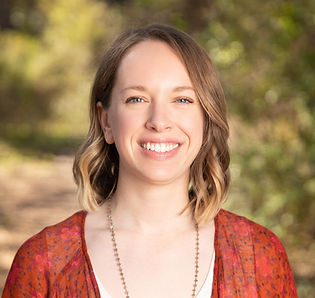

Adrienne Rowland, LPC
Licensed Professional Counselor
Professional Profile
Adrienne is a Licensed Professional Counselor (LPC) and Licensed Chemical Dependency Counselor (LCDC) with over 8 years of experience working with adults on their mental health and over 4 years in inpatient addiction treatment. She has worked in both residential and intensive outpatient settings, supporting individuals with dual diagnoses (substance use and mental health). She holds a Bachelor of Arts in Psychology from St. Edward’s University and a Master of Arts in Clinical Mental Health Counseling from the University of Mary Hardin-Baylor. She has additional training in Trauma Center Trauma-Sensitive Yoga (TCTSY), and she had been a registered yoga teacher since 2014.
Specialties
ACT
Anxiety
CBT
Body Image
DBT
Depression
Grief and Loss
LGBTQ+
Post-Partum Depression
PTSD
Substance Use
Somatic
Trauma
Insurance
Sana
Private Pay / Self Pay
Welcome!
Hi, I’m Adrienne! I work with adults navigating recovery, life transitions, and the in-between spaces where things feel uncertain or overwhelming. Whether you’re exploring your relationship with alcohol, maintaining recovery, or just feeling stuck, I offer a supportive, nonjudgmental space where you can show up as you are. Together, we’ll explore what’s working, what’s not, and how to move toward a life that feels more aligned, grounded, and fulfilling.
How I Work
My approach is collaborative, flexible, and rooted in curiosity. I draw from modalities like Acceptance and Commitment Therapy (ACT), Mentalization-Based Therapy (MBT), and mindfulness-based practices to help you understand patterns, process emotions, and build practical tools for change. I also integrate body awareness and breathwork when it feels helpful, recognizing the connection between mind and body. I value honesty, humor, and authenticity in session, and I aim to create a space where you feel safe to explore, challenge yourself, and grow at your own pace.


I value honesty, humor, and authenticity in session, and I aim to create a space where you feel safe to explore, challenge yourself, and grow at your own pace.
Therapist Spotlight
What made you decide to become a counselor?
I’ve always been drawn to understanding people - their stories, what shapes them, and how they find their way through difficult experiences. Over time, I realized how powerful it can be to have a space where you feel truly seen and not judged. Becoming a counselor felt like a natural way to combine that curiosity with meaningful work, helping people reconnect with themselves and build lives that feel more authentic and sustainable.
If you could teach the world one skill or techniques to improve their lives, what would it be?
Learning how to pause. Noticing what you’re feeling, taking a breath, and giving yourself a moment before reacting can be incredibly powerful. That small space can shift how you respond to stress, relationships, and even your own inner dialogue.
Have you personally been in counseling and if so, what did you learn about yourself?
My relationship with my therapist is a meaningful part of my self-care and ongoing growth. It’s helped me move closer to the parts of myself that feel challenging and reminds me what it’s like to be vulnerable, to sit with discomfort, and to grow. I believe in doing my own work as I support my clients in doing theirs.
If you could recommend one book to all your clients, what would it be?
The Happiness Trap by Russ Harris. The illustrated edition is a great introduction to Acceptance and Commitment Therapy (ACT) and it encourages movement toward a more meaningful life.
Who is your ideal client?
My ideal client is someone who is curious about themselves and open to exploring change, even if they’re not sure where to start. Many of my clients are navigating challenges like anxiety, life transitions, feeling stuck or disconnected, or exploring their relationship with alcohol or substances - whether they’re sober, sober curious, or somewhere in between. They’re looking for a supportive space to better understand themselves and create a more intentional, fulfilling life.
How do you personally practice self-care?
Self-care for me is a mix of movement, rest, and creativity. I enjoy yoga, long walks around my neighborhood, and spending time outside. I also love baking, which gives me a chance to slow down and be present. And sometimes, self-care looks like a night at home watching a new comedy special with my husband and cats.
How do you relate to Mindfulness? How do you incorporate it in your sessions?
Mindfulness is a big part of how I approach both my personal life and my work. I see it as a way of paying attention to what’s happening in the present moment. In sessions, this might look like slowing things down, noticing thoughts or physical sensations, or incorporating simple breathwork. These practices can help create more awareness and space, which often leads to more intentional choices and deeper emotional processing.
If you are hosting a dinner party, who are the 3 people you would invite and why?
My late father, I’d give anything to sit down with him again and listen to his funny stories. Ina Garten would handle the food and make everyone feel welcome with her warm personality. And John Oliver
would keep as all entertained, invested, and laughing.
What inspires you to help others?
I’m inspired by the resilience people show, even in really difficult moments. It’s meaningful to witness someone begin to understand themselves more deeply, make changes, and reconnect with what matters to them. Being part of that process is something I don’t take for granted.